Best Exercise for Anxiety: Why Brisk Walking Helps Most
What exercise reduces anxiety the most?
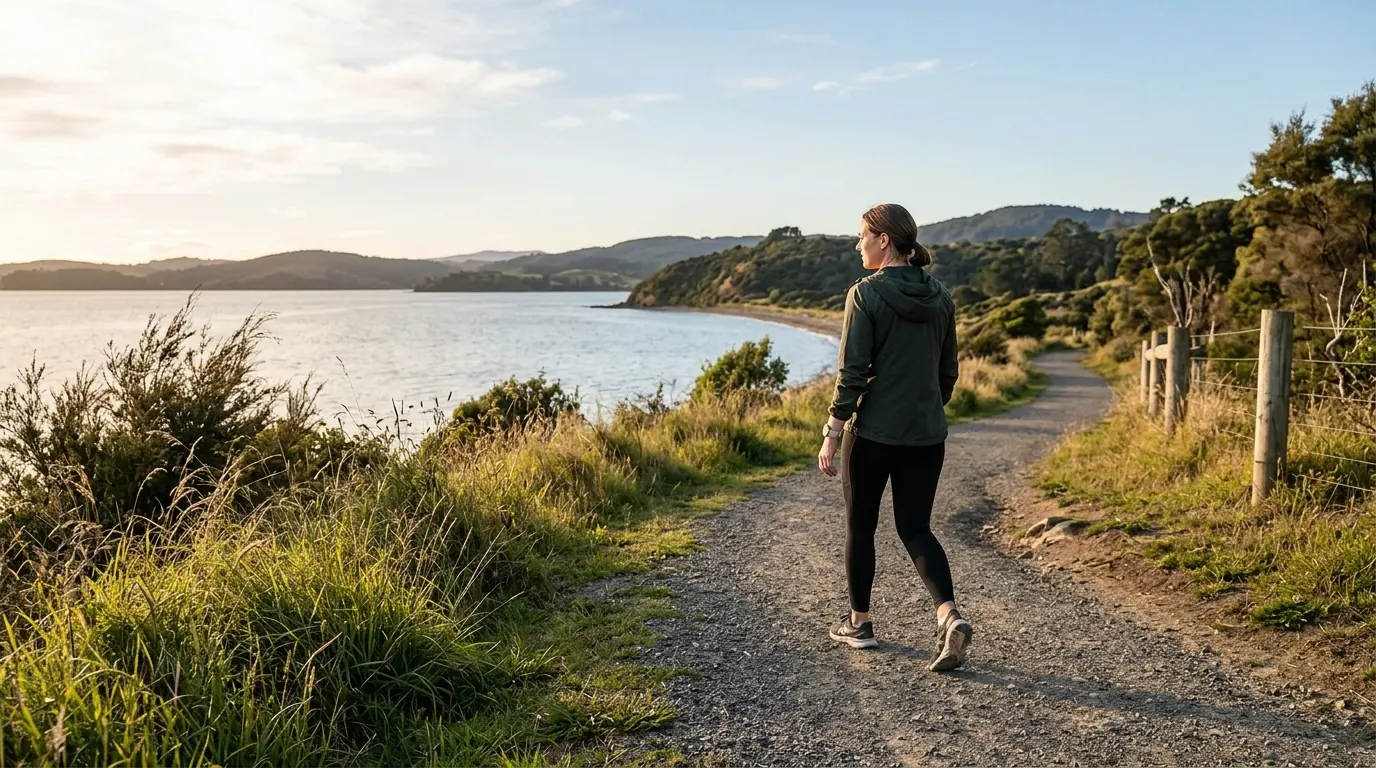
For many people, brisk walking is the single most reliable exercise for reducing anxiety. It’s easy to start, doesn’t require equipment, and consistently lowers physical tension while helping the mind shift out of worry loops. A steady, moderate pace—where breathing is faster but still controlled—tends to work best for calming the nervous system.
Why brisk walking works so well for anxiety
Walking supports anxiety relief in a few practical ways: it burns off excess stress hormones, increases endorphins, and provides rhythmic movement that can feel grounding. Outdoor walks add an extra benefit because natural light and changing scenery can reduce rumination and improve mood.
Unlike very intense workouts that can temporarily spike heart rate and adrenaline (sometimes resembling anxiety symptoms), walking is less likely to feel overwhelming. That makes it a strong default choice if anxiety is high or unpredictable.
Other top exercises that can be just as effective
While walking often wins for consistency and accessibility, several other options are excellent depending on preference and triggers:
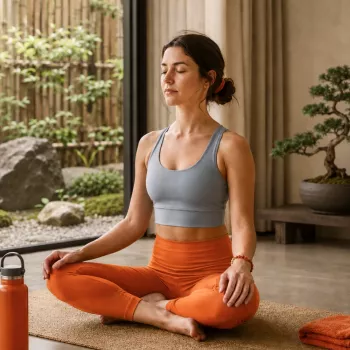
- Yoga: Combines movement and breath control, which can lower tension and improve body awareness.
- Swimming: Gentle on joints and naturally paced breathing can feel calming.
- Cycling: Steady cardio that can be meditative, especially at moderate intensity.
- Strength training: Builds confidence and can reduce baseline stress when kept structured and not overly intense.
How to get the most anxiety relief from your workouts
Aim for 10–30 minutes of moderate movement, 3–5 days per week, and prioritize consistency over intensity. If anxiety is spiking, start with a 5-minute walk and gradually extend it. Pairing movement with slow nasal breathing (when comfortable) can make the calming effect more noticeable.
For a deeper breakdown of options and how to match exercise to your anxiety patterns, visit the main article.
FAQ
How long do you need to exercise to feel less anxious?
Many people feel some relief within 10–20 minutes of moderate movement. Consistent sessions over several weeks typically lead to more lasting reductions in overall anxiety.








Leave a comment