Kitten First Food Guide: Milk, Weaning & Best Picks
What should kitten’s first food be?
A kitten’s first food depends on age. For the first few weeks of life, the only appropriate “food” is mother’s milk or a kitten milk replacer (KMR) if the mother isn’t available. Cow’s milk isn’t a safe substitute because it can cause diarrhea and dehydration.
Birth to about 4 weeks: milk only
Newborn kittens need frequent feedings and steady warmth. If you’re bottle-feeding, use a kitten-specific formula and follow the label directions for mixing and feeding amounts. A healthy kitten should gain weight steadily; slow gain or lethargy can signal a problem that needs a vet’s help.
About 4 to 5 weeks: start weaning with wet food “gruel”
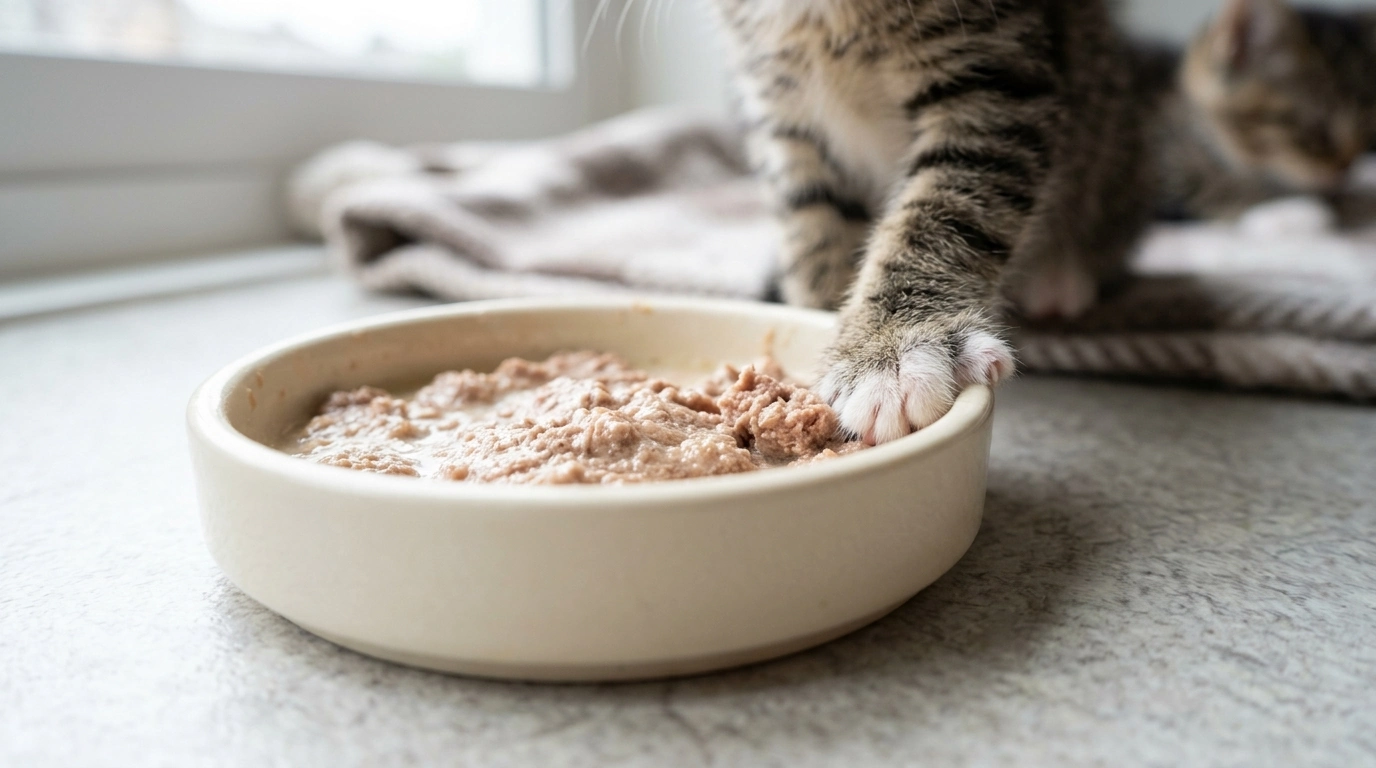
Most kittens begin weaning around 4 weeks. A gentle first solid option is a slurry made from high-quality canned kitten food mixed with warm KMR (or warm water if they’re already getting adequate formula). Offer it in a shallow dish and let the kitten explore; messy attempts are normal at first.
6 to 8 weeks: kitten-specific wet food (and optional softened kibble)
As chewing improves, transition to full canned kitten food, served in small meals several times a day. If you want to include dry food, choose a kitten formula and soften it with warm water at first. Fresh water should always be available once weaning begins.
What to look for in a first food
Choose a complete and balanced “kitten” formula (not adult cat food). Kittens need higher calories, protein, and fat for growth, plus key nutrients like DHA. Avoid foods labeled only for “maintenance,” and skip treats until mealtimes are consistent.
For a deeper, step-by-step guide on timing, portions, and smooth transitions, visit https://iconichitsboutique.shop/what-should-kitten-s-first-food-be/.
FAQ
How often should a weaning kitten eat each day?
Most weaning kittens do best with several small meals daily, since their stomachs are tiny and their energy needs are high. As they approach 8–12 weeks, meals can gradually become more structured while still staying frequent.











Leave a comment